
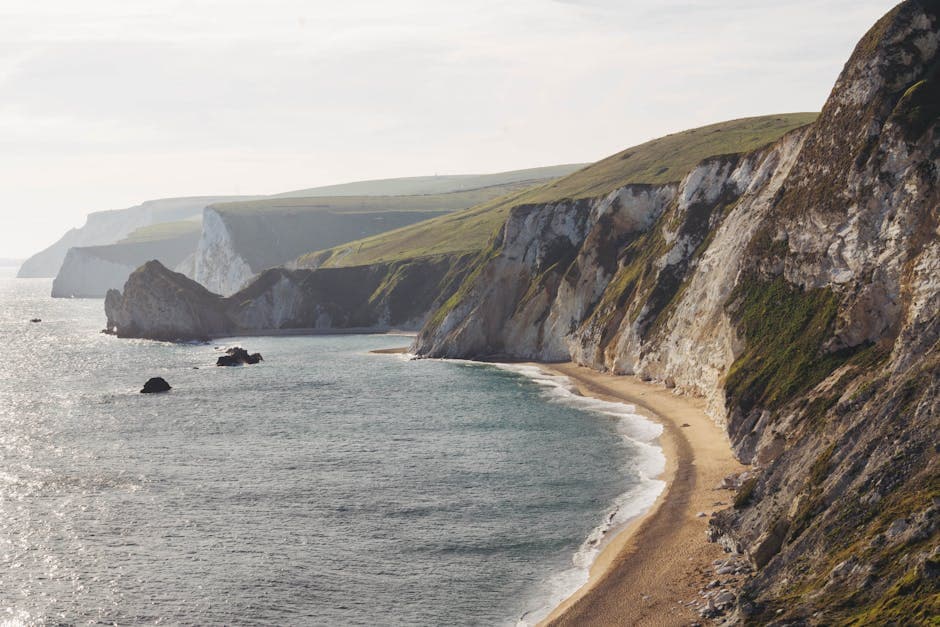
Guests who book with us for a week often arrive expecting to spend every day on the beach. Most of them end up doing two or three day trips as well. Not because Bournemouth runs out of things to do, but because what surrounds it is genuinely exceptional. Dorset, Hampshire, and the edges of Wiltshire offer some of England's most dramatic scenery, and it is all within reach of your apartment.
This is also why we believe Bournemouth is a superior base compared to staying in the New Forest itself or along the Jurassic Coast directly. Those areas are beautiful but relatively limited for restaurants, evening entertainment, and beach choice. Staying in Bournemouth, you get all of that plus one-hour access to every landmark in the region. Use our apartments as your Dorset base and treat the surrounding area as a day-trip menu you can dip into at will.
What day trips can you do from Bournemouth in under an hour?
The geography works very much in Bournemouth's favour. Heading west along the Dorset coast, you access the Jurassic Coast UNESCO World Heritage Site. Heading north, you reach the New Forest National Park in under 30 minutes. Going east gets you to Poole and the Purbeck Hills. Almost every major landmark in Dorset is within 45 minutes.
For reference, all driving times below are from Bournemouth town centre in normal traffic conditions. Friday afternoons in July and August add time to westbound routes along the A352.
How do you visit the Jurassic Coast from Bournemouth?
The Jurassic Coast is a 95-mile UNESCO World Heritage Site stretching from Exmouth in Devon to Old Harry Rocks near Studland, just east of Bournemouth. It represents 185 million years of Earth's geological history exposed along a single continuous coastline, and several of its most dramatic sections are within easy day-trip distance.
Lulworth Cove and Durdle Door
Driving time from Bournemouth: 45 minutes via the A352 through Wareham and Wool.
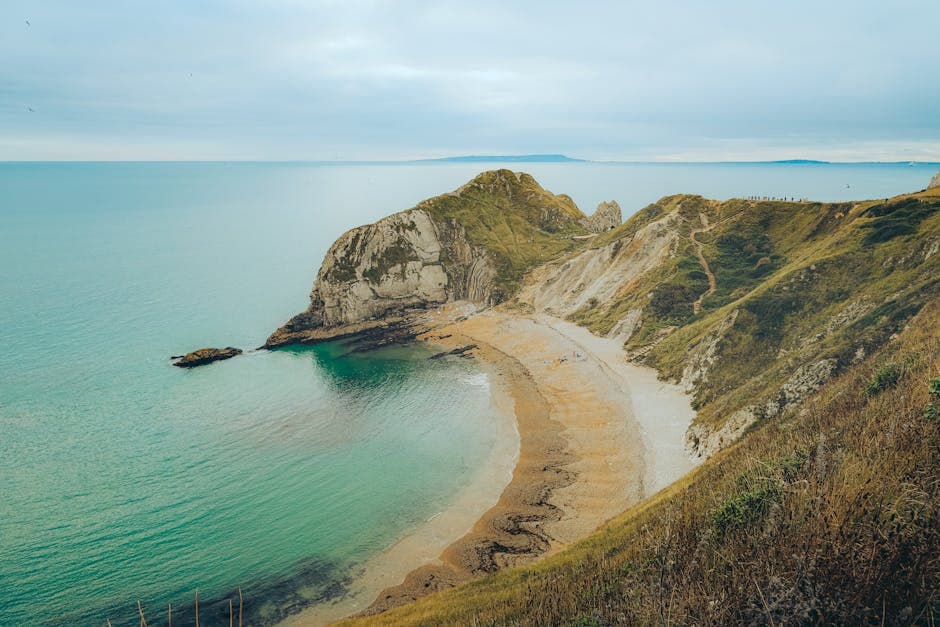
Lulworth Cove is a near-perfect circular bay formed by the erosion of a weak spot in the coastal rock strata, geology made visible in a way that genuinely impresses even people who could not normally care less about rock types. Durdle Door, a natural limestone arch jutting into the sea just a mile's walk west along the coastal path, is one of the most photographed spots in England.
The practical challenge is parking. The National Trust car park at Lulworth Cove (postcode BH20 5RQ) fills up by 10am on any fine day between June and September. Arrive before 9:30am or plan for a wait. Parking costs approximately £7–9 for the day. The walk from the car park down to the cove is steep in places, manageable for most but worth knowing if you have young children or mobility considerations.
From the car park, Durdle Door is a 30–40 minute walk along the South West Coast Path. The descent to Durdle Door beach on the far side is steep and can be slippery; the views are worth it, but bring appropriate footwear.
Old Harry Rocks
Driving time to Studland: 35 minutes via the Sandbanks ferry.
Old Harry Rocks, three striking chalk stacks at the eastern end of the Jurassic Coast, can be reached via a 2.5-mile coastal walk from Studland village or, more dramatically, by taking the small Sandbanks chain ferry from Poole across the harbour mouth (a 5-minute crossing, a few pounds per car, and one of the more memorable ways to leave Bournemouth). Old Harry marks the eastern terminus of the Jurassic Coast; the landscape is open heath and chalk grassland, very different from the sandstone cliffs further west.
Kimmeridge Bay
Driving time: 50 minutes via Wareham.
Kimmeridge is less visited than Lulworth partly because it is harder to reach, and that is precisely the point. The bay has excellent rock pooling, the UK's only self-funded marine nature reserve, and an underwater snorkelling trail. It is also owned by the Smedmore Estate, meaning parking fees go to private land management rather than the National Trust, at around £5–7 for the day.
Jurassic Coast timing tip
For Lulworth and Durdle Door, mid-week visits are noticeably less crowded than weekends. If you have a weekday free during your Bournemouth stay, put this at the top of your list. Arriving early also means you get the coastal light before the haze builds. The cove in morning light is a very different sight to the same spot at midday.
Is the New Forest worth visiting for a day from Bournemouth?
Yes, emphatically. The New Forest National Park is a 25-minute drive from central Bournemouth via the A338 north and the A31 westbound, one of the shortest distances between a beach resort and a national park you will find anywhere in England.
The forest covers over 200 square miles of ancient woodland, heath, and bog, and its most immediately arresting feature is the free-roaming ponies, cattle, and donkeys that wander across roads, through car parks, and occasionally into pub beer gardens without any apparent concern for human schedules. The animals have right of way; do not feed them.
What to do in the New Forest on a day trip
Bolderwood Deer Sanctuary: A designated deer viewing area off the A35, where a raised platform overlooks a forest clearing where fallow deer are frequently spotted, particularly in early morning and late afternoon. Free to visit; parking at Bolderwood is free and rarely full outside peak summer.
Rhinefield Ornamental Drive: A formal avenue of giant redwoods and Douglas firs planted in the Victorian era, creating a cathedral-like canopy along a 2-mile road south of Brockenhurst. It sounds unlikely but genuinely impresses, especially with children.
Burley: A small village with an unusual reputation for witchcraft. The story is essentially a piece of village marketing from the mid-20th century that stuck, and the village now has several shops selling crystals and related merchandise alongside proper village pubs. It is charming in a slightly ridiculous way, and the New Forest Dragon pub does a decent lunch.
Lymington: A Georgian harbour town on the western edge of the New Forest and one of the loveliest places in Hampshire. The Saturday market on the high street runs from early morning, the quayside is lined with sailing boats, and the town has several very good cafes and restaurants. Allows you to combine forest and seaside in the same day.
Cycling: The New Forest has an extensive network of gravel tracks suitable for cycling, and Cyclexperience in Brockenhurst (BH25 6AF) offers bike hire from around £20 per adult per day, with trailer bikes and children's bikes available. The tracks are largely flat, making this accessible for families.

What are the best historic castles and towns near Bournemouth?
Corfe Castle
Driving time: 35 minutes via Wareham.
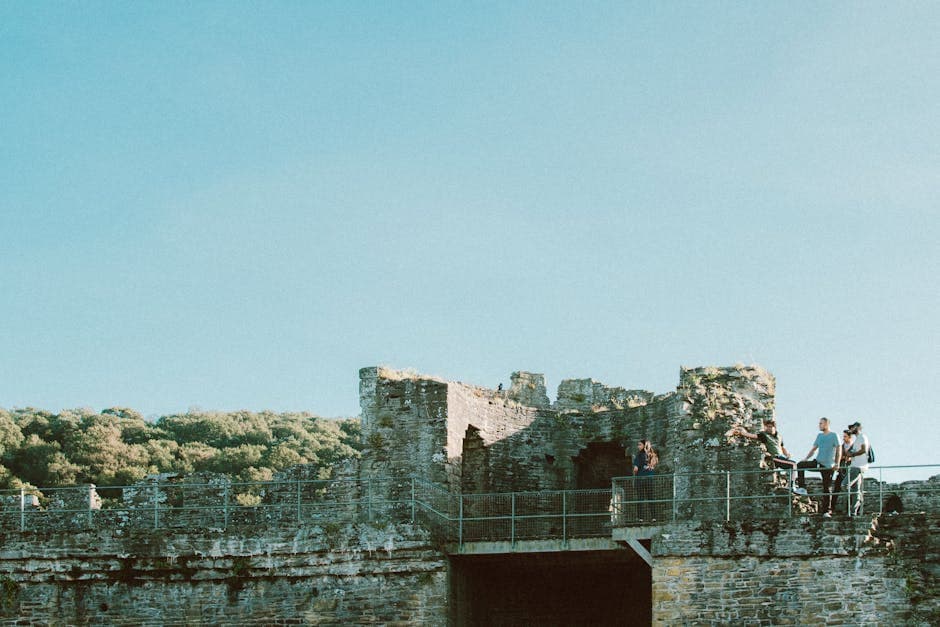
Corfe Castle (National Trust, BH20 5EZ) is one of the most dramatic ruined castles in England: a jagged outline of broken towers on a natural hill in a gap in the Purbeck Hills, visible for miles in every direction. The castle dates to the Norman period and was partially destroyed by Parliament during the Civil War, which is responsible for the atmospheric lean of the surviving walls. Entry costs around £12 for adults, £6 for children, with family tickets available. Allow 2–3 hours to do it justice, including the village below with its stone cottages and tea shops.
The Swanage Steam Railway runs between Corfe Castle station and Swanage on the coast. Combining a steam train journey with a castle visit makes for one of the most genuinely good family day trips in Dorset.
Christchurch Priory
Driving time: 15 minutes via the A35.
Christchurch Priory is one of the longest parish churches in England, longer than many English cathedrals, and its Norman nave and medieval exterior sit in an attractive town just east of Bournemouth. The town centre has pleasant independent shops and a riverside walk. Free to enter; a suggested donation is appropriate.
Wimborne Minster
Driving time: 20 minutes via the A341.
A compact market town with a striking twin-towered minster church and a good Saturday street market. The town feels genuinely lived-in rather than tourist-facing, which is refreshing. The Wimborne Farmers Market runs on the second Sunday of each month.
Salisbury and Stonehenge
Driving time to Salisbury: 50 minutes via the A338 north.
At the outer edge of what counts as a comfortable day trip, but Salisbury Cathedral justifies the drive. Its 123-metre spire is the tallest medieval spire in England. Stonehenge is 10 miles north of Salisbury. English Heritage manages the site and entry now requires advance booking (around £25 per adult); the prehistoric monument is more affecting in person than photographs suggest, though the closest public access point is still roped off from the stones themselves. Allow a full day for both Salisbury and Stonehenge.
Which coastal towns near Bournemouth are worth a visit?
Poole Old Town and Harbour
Driving time: 15 minutes.
Poole has one of the largest natural harbours in the world by surface area, and the Old Town waterfront at Poole Quay is the starting point for boat trips to Brownsea Island (home to one of the UK's last surviving populations of red squirrels), oyster farm tours, and harbour cruises. The Old Town itself has a cluster of medieval and Georgian buildings around the quay. Scaplen's Court Museum tells the town's history. The fish stalls at Poole Quay sell fresh local catch.
Swanage
Driving time: 45 minutes via Wareham, or via the Sandbanks Ferry and B3351 through Studland.
Swanage is an old-fashioned seaside town in the best sense: a proper sandy bay with beach huts, a Victorian pier, a steam railway, and a town centre that has not been entirely taken over by chain shops. The Purbeck Hills behind the town provide excellent walking, including the coastal path east to Old Harry Rocks (3 miles each way).
Sandbanks
Driving time: 20 minutes.
Technically part of Poole, Sandbanks is a narrow peninsula with one of the most expensive per-square-metre land values in the world. The "millionaire's row" angle is often noted in travel writing, though the appeal for visitors is more prosaic: a genuinely beautiful sandy beach that is calmer and cleaner than Bournemouth's main beach on busy days, with reliable Blue Flag status. The beach itself is free; parking at Sandbanks is not.
Can you do a day trip to the Isle of Wight from Bournemouth?
It is possible, though it requires commitment. The most straightforward route is Wightlink Ferries from Lymington to Yarmouth (35 minutes, crossing time 40 minutes); foot passengers can combine this with the train from Bournemouth to Lymington Pier. A car crossing from Lymington gives you the most flexibility once on the island.
Alternatively, Wightlink also operates from Portsmouth (90 minutes from Bournemouth), and Red Funnel runs from Southampton (65 minutes).
A realistic day trip to the Isle of Wight allows 4–5 hours on the island if you factor in travel time from Bournemouth, crossing, and return. That is enough to reach Alum Bay (the coloured sand cliffs), the Needles rocks, and Yarmouth itself. If you want to explore the island properly (Osborne House, Carisbrooke Castle, Ventnor Botanic Garden) an overnight stay on the island makes more sense than a rushed day trip.
If you want to stay closer to Bournemouth and still see remarkable scenery, our guide to Hengistbury Head and Mudeford covers what is arguably one of the best half-day walks within Bournemouth itself. The Mudeford Sandbank at the end of the walk genuinely feels like leaving England without going anywhere.
Also see our guide to getting around from Bournemouth for full transport options including public transport and the Sandbanks chain ferry.
Make Bournemouth Your Dorset Base
Our apartments give you easy access to the New Forest, the Jurassic Coast, and the best of Dorset, all within an hour's drive. Browse properties and check availability for your dates.
Browse Properties