
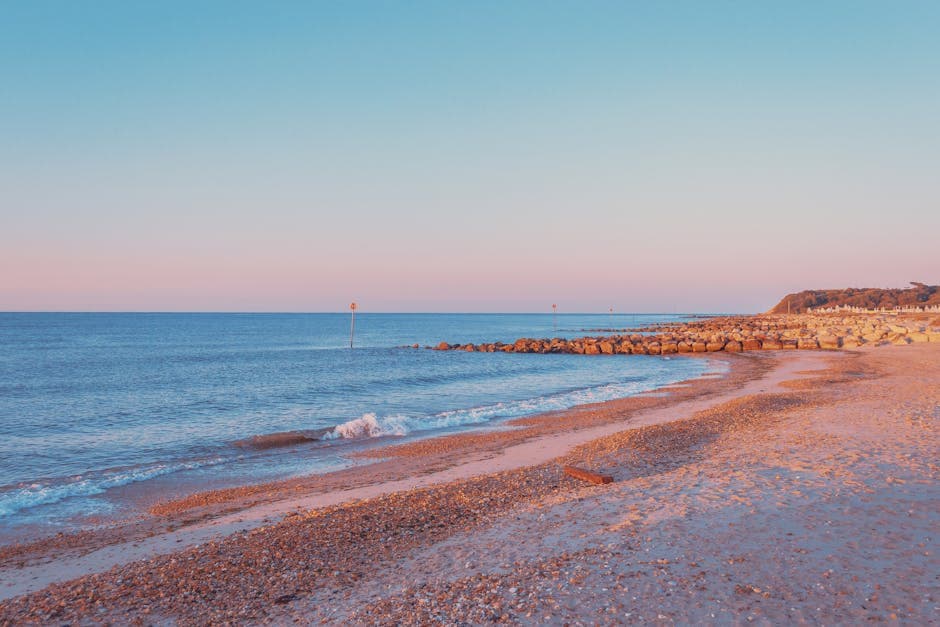
Why do returning visitors always choose Southbourne?
The first-time visitor to Bournemouth typically stays in the town centre or near the pier. The second or third visit is a different calculation entirely. Once you have done the main beach and the Lower Gardens and the restaurants on Westover Road, you start wondering what else is here. For a significant number of the guests who stay with us, the answer turns out to be Southbourne.
There is a specific quality to Southbourne that is difficult to manufacture: it functions as a real village within a town. Southbourne Grove, the main high street, is the kind of street that exists to serve people who live there rather than to service tourism. There is a proper deli. A fishmonger. A cheese shop. A handful of independent cafes that have been open for years because the locals support them, not because TripAdvisor put them on a list. The prices reflect a local customer base rather than a captive holiday one.
We have guests who request Southbourne specifically: repeat visitors who discovered it on a second or third trip and have never stayed anywhere else since. The feedback is consistent: it feels like somewhere to actually be, rather than somewhere to visit. Families with children respond to the quiet residential streets and the direct beach access. Walkers book it because Hengistbury Head is on the doorstep. Older visitors choose it because the village pace suits them in a way that the town centre simply does not.
Bournemouth's tourist literature does not oversell Southbourne, and local residents do not mind.
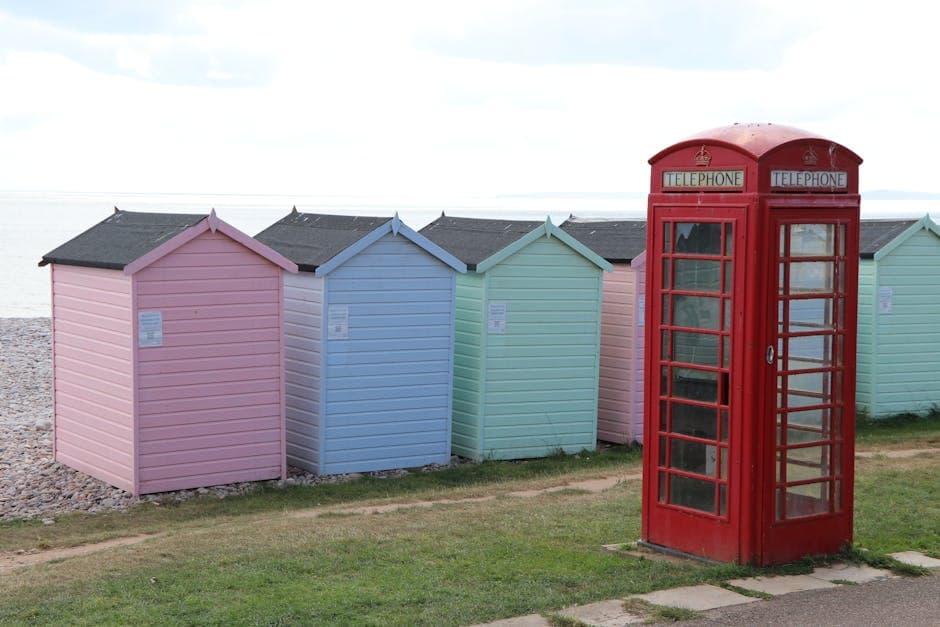
What is the Hengistbury Head walk like and how long does it take?
Hengistbury Head is a 2.5-mile finger of land that juts south-east from Southbourne into Christchurch Harbour, separating the harbour from the open sea. It is a Site of Special Scientific Interest with evidence of human settlement dating back 12,500 years. Bronze Age burial mounds, Iron Age earthworks called the Double Dykes, and artefacts from the Mesolithic period have all been found here. The Dorset Wildlife Trust manages the nature reserve, and the landscape feels genuinely ancient: heathland, gorse, and coastal scrub covering a headland that has been accumulating human history for longer than most countries have existed.
The walk in detail
The most popular route starts at the Hengistbury Head car park off Broadway, Southbourne, which has good toilet facilities and a small cafe at the visitor area. From the car park, the main path runs south-east across the open heathland, with views expanding on both sides as the headland narrows. To the left, Christchurch Harbour; to the right, the open sea and the long arc of Poole Bay stretching back to the town centre.
The Double Dykes (two Iron Age earthwork barriers across the narrowest point of the headland) are visible and labelled roughly 20 minutes into the walk. Beyond them, the path continues to the headland tip, with views west to the Isle of Wight on clear days, south towards Purbeck and the chalk stacks of Old Harry Rocks, and east into Christchurch Harbour towards Mudeford.
The full circular route, taking the beach path back along the sheltered harbour side, covers approximately 2.5 miles and takes 75–90 minutes at a relaxed pace. The terrain is mostly well-maintained gravel and grass paths, uneven in places but manageable for most walkers. There are some gentle inclines but nothing steep.
Accessibility and the land train
For those who cannot manage the full walk, a narrow-gauge land train runs from the visitor area at the car park to the far end of the headland near the Mudeford ferry point. It operates seasonally (typically Easter through October) and is popular with families and older visitors. The fare is modest and the journey takes around 10 minutes. Check Hengistbury Head visitor information for current operating hours.
Best times to go
Early morning is the finest time to walk Hengistbury Head. The light on Christchurch Harbour, the relative quiet, and the wildlife activity (Dartford warblers can be heard in the gorse year-round; sand lizards sun themselves on south-facing banks in warm months) make the 7am–9am window genuinely special. In July and August, midday visits can be crowded near the car park end; the far tip of the headland remains much quieter throughout.
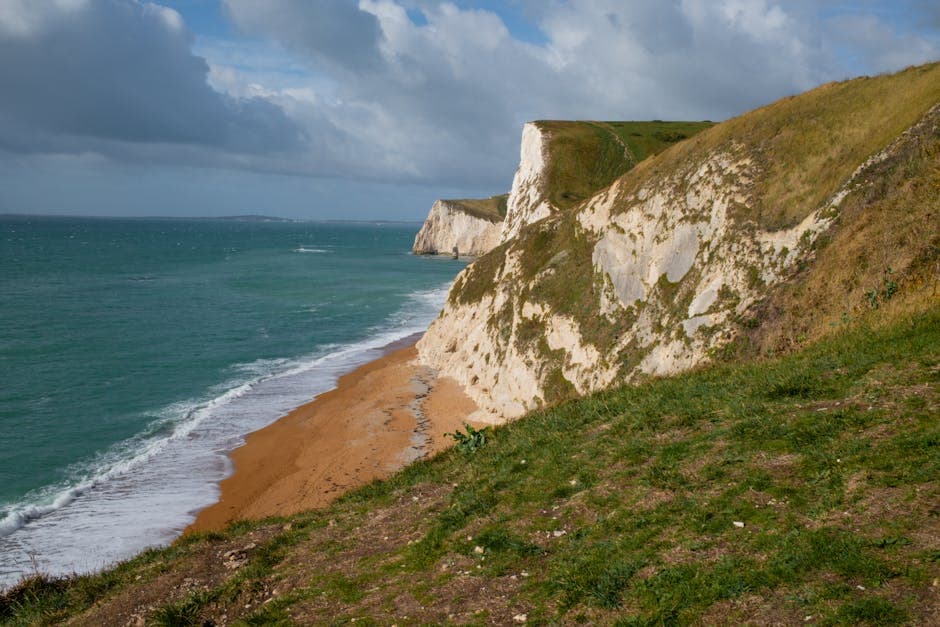
How do you get to Mudeford Sandbank and is it worth the trip?
Mudeford Sandbank is the long, narrow finger of sand that encloses Christchurch Harbour to the east, separated from Hengistbury Head by the Run, a tidal channel that connects the harbour to the sea. It is one of those places that requires a small effort to reach, and that effort is entirely rewarded.
Getting there
By ferry from Mudeford Quay: The Mudeford Quay ferry operates seasonally and is the most direct route for those not staying in Southbourne. Mudeford Quay is on the Christchurch side of the harbour, roughly 3 miles from Southbourne by road. The ferry crossing takes a few minutes and drops you at the beach hut end of the sandbank.
By foot from Hengistbury Head: After completing the Hengistbury Head walk, the land train or footpath brings you to the tip of the headland. A small passenger ferry (sometimes called the Run ferry) crosses the narrow tidal channel to the sandbank. This operates when the ferryman is available (look for the boat at the small pontoon), and tide conditions can affect availability. It is an informal service; do not rely on it as your only option without checking in advance.
What you will find
The beach huts of Mudeford Sandbank are now nationally famous for their values. Some have sold for over £300,000, making them among the most expensive in the United Kingdom. It is a fact that appears in property news with reliable regularity and genuinely surprises people when they see the structures in person, which are modest in size but extraordinary in setting. Around 330 beach huts sit along the sandbank, many with their own small decking areas facing either the harbour or the open sea. They cannot be used as permanent residences, but some hut owners spend extended periods there.
Beyond the beach huts, the sandbank has an extraordinary quality: there are no permanent shops, no roads, and no built infrastructure beyond the huts themselves and a small seasonal cafe near the ferry point. The beach on the sea-facing side is broad, sandy, and sheltered enough for comfortable swimming in most summer conditions. The harbour side is calmer still, ideal for paddleboarding or kayaking.
The sense of removal from ordinary life is immediate and unusually complete for somewhere that is technically still within the BCP Council boundary.
What to bring
Pack everything you will need: water, food, sun protection, and anything else you want for the day. There is no shop on the sandbank and the seasonal cafe has limited provisions. This is not a criticism; it is the point. Plan it as you would a proper day out.
Timing Your Mudeford Visit
The Run, the tidal channel between Hengistbury Head and the sandbank, runs fast on an ebbing tide and can make the short ferry crossing feel dramatic. The ferryman knows the channel well, but if you have young children or are prone to anxiety around water, aim for the slack water period around high tide when the channel is calmer and the crossing is completely straightforward.
Where are the best cafes and restaurants in Southbourne?
Southbourne Grove is the answer to almost every daytime food and coffee question. The high street runs south from the cliff top towards the beach approach and has the kind of independent food density that usually requires a city postcode.
Coffee and breakfast
The Southbourne coffee scene is genuinely strong. Several independent cafes on and around Southbourne Grove operate at a level that would draw favourable attention in any major city. Breakfast and brunch at the better spots (poached eggs on proper sourdough, good filter coffee, fresh pastries) draws a mix of locals and visitors from across the Bournemouth area.
Weekday mornings are the easiest time to find a table. Saturday mornings between 9am and 11am can involve a wait at the most popular spots; arrive early or be patient.
Fish and chips
Southbourne has a proper fish and chip shop in the old style, using fresh Dorset-landed fish and operating with the kind of consistency that chains cannot quite manage. For lunch after a Hengistbury Head walk, a chippy lunch eaten on the clifftop above Fisherman's Walk is one of those straightforwardly excellent experiences that needs no embellishment.
Evening dining: an honest note
Southbourne's evening dining options are limited. There are a few decent places on Southbourne Grove for dinner, but variety is restricted. If you want more than two or three choices on a weeknight, the honest recommendation is to take the Yellow Buses 1 or 1b service into Boscombe (about 10 minutes) for the Christchurch Road restaurant scene, or into the town centre (around 20–25 minutes) for a wider selection. We give this advice to every guest staying in Southbourne; the daytime food offering here is excellent, but expectations around evening dining variety need to be calibrated accordingly.
Sunday roasts
A handful of Southbourne's cafes and pubs do a creditable Sunday roast. The quality varies but the atmosphere is reliably local and unpretentious. Booking is advisable for the better spots.
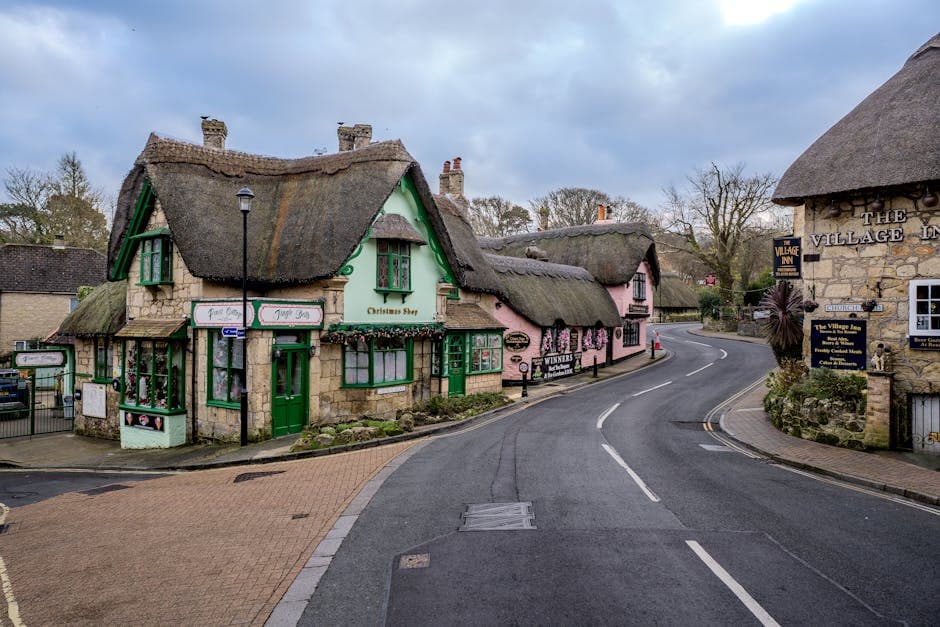
What is Southbourne beach like compared to Bournemouth's main beaches?
Southbourne beach runs for approximately a mile between Fisherman's Walk cliffs and the start of Hengistbury Head. It is measurably quieter than the main Bournemouth beach and Boscombe beach, and the physical character of the beach is slightly different: the groynes that run perpendicular to the shore create a series of smaller, sheltered bays rather than one long open stretch.
Dog-friendly sections
Sections of Southbourne beach are dog-friendly year-round, unlike the main Bournemouth beach where dogs are restricted from May to September. For guests travelling with dogs, this is a significant consideration. It makes a morning beach walk with a dog genuinely possible throughout the summer months. Family-friendly apartments near Southbourne from our collection include properties well-positioned for the dog-friendly beach access.
Lifeguards and safety
RNLI lifeguard coverage on Southbourne beach operates seasonally, typically from late May through to September. Outside these months, the beach is unsupervised, and the currents at the eastern end towards Hengistbury Head can be stronger than they appear. The calmer, central Southbourne bay is the safest swimming area.
Cliff walks between beaches
One of the underrated features of Southbourne is the cliff path network. Fisherman's Walk, the greensward above the cliffs between Southbourne and Boscombe, provides a walking route with sea views that the seafront promenade, for all its pleasures, cannot match. The walk between Southbourne beach and Boscombe beach via the cliff path takes around 20 minutes and is worth doing in preference to the beach-level route simply for the perspective it provides.
Parking at the Fisherman's Walk cliff top area is available and considerably easier to find in summer than at the main beachfront car parks.
For a full comparison of all Bournemouth's beaches, including water quality ratings and facilities at each section, see our complete Bournemouth beach guide.
Our Southbourne apartments are positioned to give direct access to all of this: the village high street, the cliff path, the beach, and the walking routes to Hengistbury Head. For guests comparing areas, our full Bournemouth neighbourhood comparison sets Southbourne alongside the town centre, West Cliff, and Boscombe.
Discover Southbourne for Yourself
Our Southbourne apartments put you in Bournemouth's most beloved neighbourhood: walking distance from Hengistbury Head, a village high street, and one of the quietest stretches of the Dorset coast.
Browse Properties