
What makes West Cliff Bournemouth's most prestigious neighbourhood?
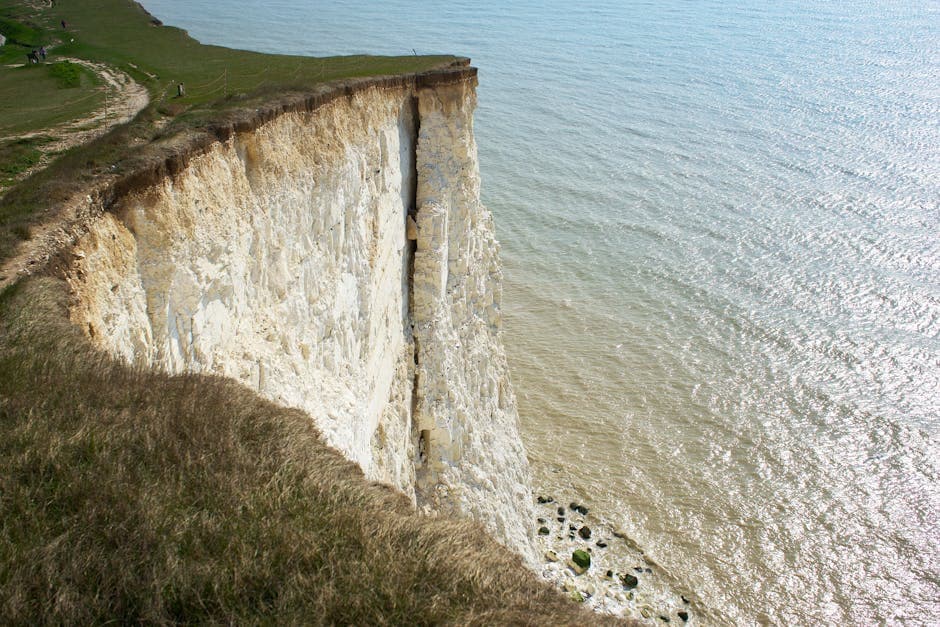
West Cliff did not happen by accident. When Bournemouth began its transformation from pine-scented health resort to established Victorian seaside town in the second half of the nineteenth century, the clifftop to the west of the town centre was identified early as the premium location. The elevated position, the sea views, the cooling breeze off the bay, and the natural separation from the commercial activity below made it the obvious choice for the hotels, villas, and private residences that the prosperous visitors of the era expected.
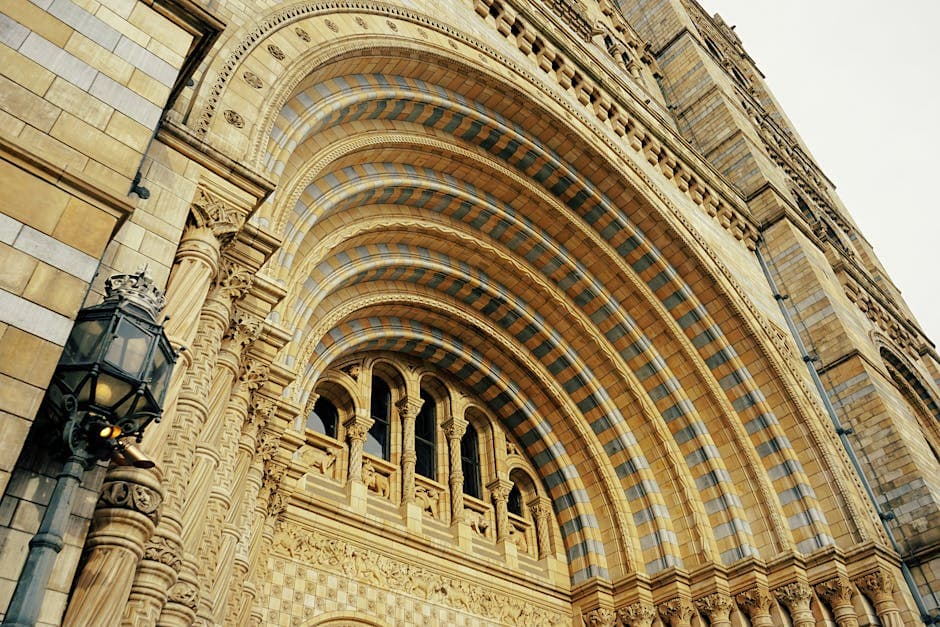
The architectural legacy of that period is still the defining characteristic of the neighbourhood. Broad, tree-lined roads (West Cliff Road, Grove Road, Priory Road, Westcliff Road) are fronted with Victorian and Edwardian properties on a scale that most English coastal towns cannot match. The hotels that made West Cliff's name during the golden era of the late-Victorian and Edwardian seaside resort have changed hands and purposes over the decades, but the built fabric has survived. Staying in West Cliff means staying in streets that look and feel like the Victorian resort they were designed to be, which creates an atmosphere that newer developments cannot replicate.
The Bournemouth International Centre (BIC), Bournemouth's main conference and entertainment venue, anchors the northern edge of West Cliff and brings a consistent flow of business and event visitors to the area. This matters for the neighbourhood's commercial life: the restaurants and bars in the adjacent area have a year-round customer base rather than the pure seasonality of some coastal resort areas.
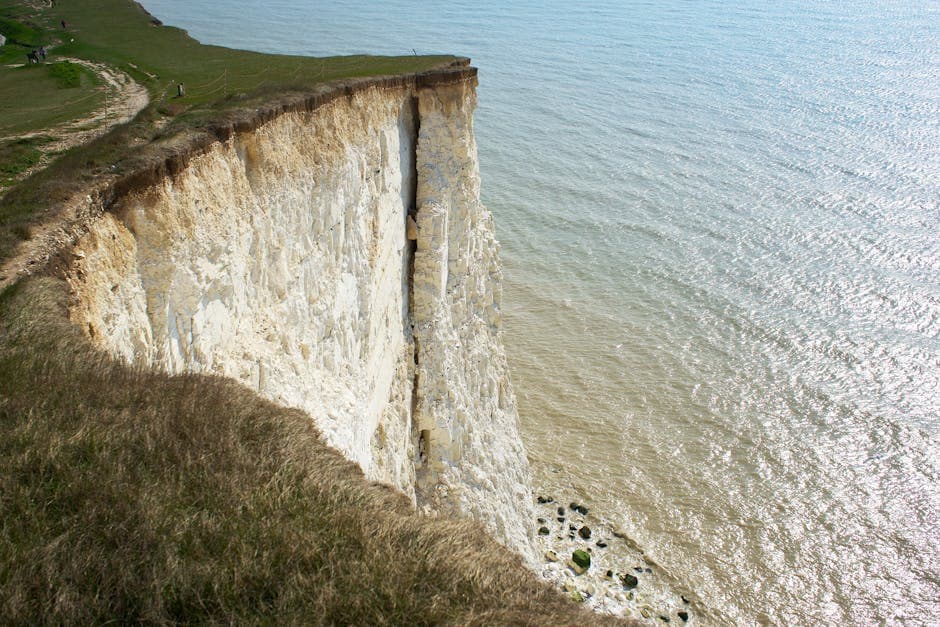
The clifftop position creates a distinctive relationship with the sea. You are above it rather than beside it, which means the views are broad and panoramic rather than close and immersive. On a clear evening, the light across Poole Bay from the West Cliff gardens is among the better views in the town. The trade-off is that reaching the beach requires descending the cliff, which we will address honestly below.
Is the Russell-Cotes Art Gallery and Museum worth visiting?
The Russell-Cotes Art Gallery and Museum is, without qualification, one of Dorset's best museums and one of the most interesting cultural buildings on the south coast. It is also the museum that most first-time visitors to Bournemouth have never heard of. That remains something of a mystery given its quality.
The building itself is the starting point. The Russell-Cotes is housed in East Cliff Hall, a Grade II* listed Victorian villa built in 1901 as a private home for Sir Merton Russell-Cotes, a Bournemouth hotelier and enthusiastic collector, and his wife Lady Annie. The house was designed with theatrical ambition: it sits on the clifftop with a sea-facing loggia that was intended to impress, and it succeeds. The interiors mix Victorian decorative excess with genuine art historical interest in a combination that sounds overwhelming and, in practice, works remarkably well.
What is inside
The collections are genuinely varied. The Victorian and Pre-Raphaelite paintings include works of real quality, and the context of the private home setting makes them more engaging than museum-standard presentation typically achieves. The Japanese collection, assembled by Sir Merton during his travels, is substantial and properly displayed. The theatrical memorabilia connected to Sir Henry Irving, the great Victorian actor-manager, is a surprise for visitors who arrive without prior knowledge.
Entry to the Russell-Cotes is free, which seems like the kind of detail that should be listed prominently on every Bournemouth visitor guide but rarely is. The museum is closed on Mondays. Current opening hours should be checked on the museum's website as they are subject to seasonal variation, but Tuesday to Sunday opening is the standard pattern.
The gardens, on the clifftop between the museum and the cliff edge, are maintained and open to visitors alongside the museum. The combination of garden, clifftop views, and free admission makes this one of the best morning or afternoon activities in Bournemouth regardless of budget.
The honest note
The museum is small by national standards. A thorough visit takes around 90 minutes to two hours. It is not a full-day attraction, but it is an excellent half-day one, particularly paired with a walk along the cliffs or lunch in Westbourne. Do not skip it because it sounds obscure. The Russell-Cotes genuinely rewards the visit.
The Russell-Cotes Garden in June
The museum garden is at its most spectacular in late May and June when the coastal planting is in full bloom. The views from the garden terrace across Poole Bay on a clear June morning are among the best in the area. If you are planning a West Cliff visit, this is the optimum season.
How do you access West Cliff beach and what is the walk like?
The beach below West Cliff is an extension of Bournemouth's main sandy shore, with the same Blue Flag quality sand and family-friendly conditions, but accessed differently from the clifftop neighbourhood above it. Understanding the access options matters for guests choosing to stay here.
The chines
Bournemouth's chines are natural clefts in the sandstone cliffs, carved by small streams over thousands of years and now mostly managed as public access routes to the beach. West Cliff has three chines within easy reach:
Durley Chine is the most accessible and the broadest of the three. The path down through Durley Chine is surfaced and wide, with handrails on the steeper sections. It takes around 8–10 minutes to descend and is manageable for most visitors, though it is a genuine climb on the way back up.
Middle Chine is steeper and less used, running through a narrower wooded channel. It takes a similar time but requires more care, particularly in wet conditions.
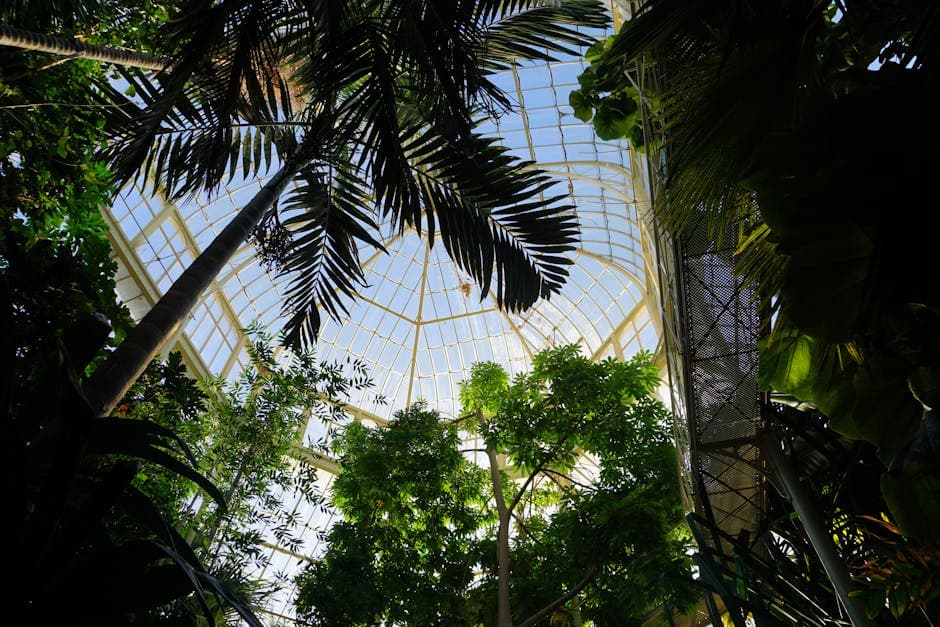
Alum Chine sits further west, at the boundary between West Cliff and the start of the Westbourne/Alum Chine area. The chine path leads through a wooded ravine to a beach that is less busy than the central beach and has a more enclosed, sheltered character. The tropical garden planted alongside Alum Chine adds a slightly exotic quality to the descent that guests consistently find unexpected.
West Cliff Lift
The West Cliff Lift is one of three remaining cliff railway lifts in Bournemouth, the others being at East Cliff and the Fisherman's Walk area. The lift provides a straight vertical descent from the clifftop to the beach level and operates seasonally. It is not free, but it is quick and a considerable help to those for whom the chine paths are difficult. The lift is popular with families with pushchairs and elderly visitors in particular.
Honest note on accessibility
West Cliff's beach access is not step-free. The chine paths involve inclines and steps, and even the lift requires navigating to and from its upper and lower termini. Guests with significant mobility limitations should consider this carefully and ask us specifically about the accessibility profile of any West Cliff apartment before booking, as some properties are closer to the lift than others.
Where should you eat and drink in the West Cliff area?
West Cliff itself has limited restaurant provision. The neighbourhood is largely residential and the commercial activity is focused around the BIC end rather than the clifftop residential area. For dining, the best nearby option is Westbourne.
Westbourne: the neighbourhood that visitors confuse with West Cliff
Westbourne is a separate neighbourhood roughly 10–15 minutes' walk west from the heart of West Cliff, and the two are frequently conflated by visitors who see them as one area. They are distinct. West Cliff is the clifftop residential and hotel area; Westbourne is the village-scale commercial high street (Seamoor Road and the roads around it) that serves as the dining and shopping hub for the western side of Bournemouth.
Westbourne has excellent food. Independent restaurants, a proper deli, good coffee shops, a wine bar, and a range of casual and more formal dining options make it a reliable destination for most tastes. The evening restaurant scene is particularly strong. Several of Bournemouth's best-regarded restaurants are here rather than in the town centre, which surprises visitors who assume the centre must have the best provision.
For West Cliff guests, Westbourne is a 12–15 minute walk along West Cliff Road and through the Alum Chine end of the neighbourhood, or a 5-minute cab ride. We recommend planning at least one Westbourne dinner into any West Cliff stay.
Clifftop options
There are cafe facilities at the Russell-Cotes Museum garden in season. The Bournemouth Pavilion, at the boundary between West Cliff and the town centre, has cafe and restaurant facilities. For the broadest town centre restaurant selection, the walk from West Cliff is around 12 minutes.
What are the Bournemouth Tropical Gardens and are they free?
The Bournemouth Gardens are one of the town's genuine surprises for first-time visitors: a continuous 2-mile green corridor running from the seafront at Pier Approach through to the suburb of Charminster, linking the Lower, Central, and Upper Gardens in an unbroken sequence.
Lower Gardens
The Lower Gardens sit at the seafront, adjacent to the pier and the main beach approach. They are the most formal and managed section, with flower beds, the Pavilion Theatre, and the bandstand (which hosts summer concerts). This is also where the Bournemouth Eye tethered balloon operates when conditions allow, offering aerial views over the bay. The Lower Gardens are busy in peak season but retain a pleasantness that well-maintained Victorian seaside planting tends to deliver.
Central Gardens
The Central Gardens run from the Lower Gardens north through the valley of the Bourne Stream, the small river that gives the town its name. The stream is visible and audible through this section, running between planted banks. The Central Gardens are quieter than the Lower Gardens and feel more like a proper park. The Russell-Cotes Museum sits on the clifftop at the eastern edge of the Central Gardens area, and the garden connection between them makes a natural walking route.
Upper Gardens and the Pine Walk
The Upper Gardens continue north towards Charminster, transitioning from formal planting to more wooded, park-like character. The Pine Walk, a section of path running beneath old Scots pines, has the slightly medicinal, resinous scent that Bournemouth's Victorian promoters claimed was health-giving, and that still somehow distinguishes an afternoon walk here from equivalent walks in less aromatic towns.
The full walk from the seafront at Pier Approach to Coy Pond at the northern end of the Upper Gardens covers approximately 2 miles and takes around 45–60 minutes at an easy pace. The entire route is free to walk. It is the town's best sustained urban green space, and it is routinely underused by visitors who do not know it exists.
All three sections of the gardens are free to enter and open year-round.
Our West Cliff apartments are well-positioned for the Russell-Cotes, the gardens, and the clifftop. For guests considering whether West Cliff suits their trip, comparing all Bournemouth neighbourhoods in our main area guide gives a full side-by-side view. For couples looking for a clifftop retreat, our romantic getaway apartments on the clifftop represent the best of what West Cliff has to offer.
Stay on the Bournemouth Clifftop
Our West Cliff apartments offer the quietest, most elegant base in Bournemouth: clifftop position, minutes from the Russell-Cotes, and an easy walk to both the beach and the town centre.
Browse Properties