
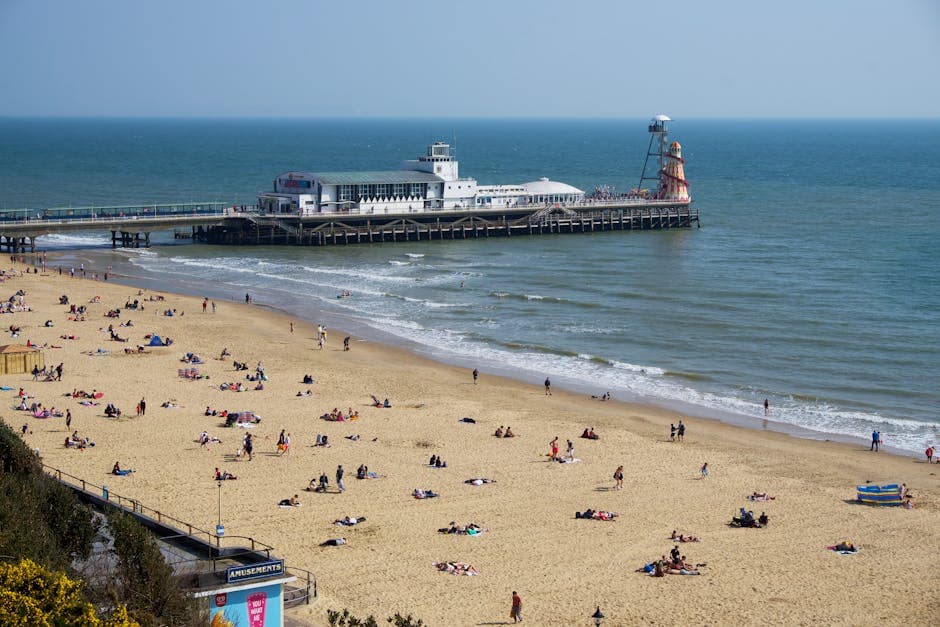
We have been managing properties in Bournemouth for long enough to hear a pattern in the feedback from first-time visitors. The most consistent comment is some version of: "I didn't expect it to be this good." The beach quality catches people off guard. So does the range of good restaurants, the ease of getting around on foot, and how much is within reach of the town.
But guests also tell us, sometimes on the way out the door, about the mistakes they made: the day they got stuck in seafront traffic for an hour, the restaurant they couldn't get a table at on a Saturday night, the time they spent the whole week on the main beach and only found Hengistbury Head on the last afternoon. This guide is built around those conversations.
What should you know about Bournemouth before you visit?
Bournemouth sits on the south coast of England in the county of Dorset, approximately 105 miles southwest of London. It is a town of around 200,000 people, large enough to have a proper range of restaurants, shops, and nightlife, but not so large that it feels like a city. Visitors who arrive expecting a compact seaside village sometimes need a moment to recalibrate; Bournemouth stretches for several miles along the coast, with distinct neighbourhood characters that genuinely reward exploration.
The single most important thing to understand is that Bournemouth's beach quality is exceptional by British standards. The sand is fine, pale, and clean; the Blue Flag designation has been held consistently; and the 7-mile stretch of largely uninterrupted beach is among the best in England. Managing expectations the other way is fair, for visitors arriving from the Mediterranean who expect guaranteed sunshine and 28-degree heat: this is the south coast of England, and you should pack a layer.
Bournemouth's sunshine statistics
Bournemouth is statistically one of the sunniest places in the UK, averaging over 1,750 hours of sunshine per year according to Met Office data. That compares favourably with coastal resorts in Kent, Yorkshire, and the north-west, and explains why the town has attracted summer visitors since the Victorian era. The south-facing coast and relative shelter from prevailing south-westerlies create what feels like a genuine microclimate in calm weather.
Sea temperatures peak in August at around 17–18 degrees Celsius, comfortable for swimming if you are willing, bracing if you are not. The water is considerably warmer than the North Sea and comparable to Cornwall in a good summer.
Managing expectations: resort town, not city
Bournemouth is primarily a leisure destination. It is not culturally rich in the way of Bath, Bristol, or Edinburgh. There is no cathedral, no world-class museum in the traditional sense, and the nightlife, while lively around The Triangle on weekend evenings, will not remind you of a major European city. What it has instead is beaches, good food, coastal walks, and one of the best regional day-trip menus in England, thanks to its proximity to the New Forest and Jurassic Coast.
What are the biggest mistakes first-time Bournemouth visitors make?
We have compiled this list honestly, from years of conversations at check-in and check-out.
Spending the whole week on the main beach. The stretch of sand in front of the pier is beautiful, but it is also the busiest part of Bournemouth's coastline. Hengistbury Head, the Mudeford Sandbank, the beaches at Southbourne, and the quieter coves along Alum Chine and Durley Chine offer the same sand with a fraction of the crowd. Most guests who discover Southbourne on day five wish they had found it on day one.
Driving everywhere, including the town centre. Bournemouth town centre is compact and genuinely walkable. The pier, Lower Gardens, the main shopping streets, the best restaurants, and the bus station are all within 15–20 minutes of each other on foot. Visitors who drive to the seafront in July or August often spend significant time and money in queuing traffic and expensive car parks. If you are staying in or near the centre, leave the car for day trips only.
Not booking restaurants in advance in peak season. The better restaurants in Bournemouth and Westbourne (the village neighbourhood about a mile west of the centre) fill up on Friday and Saturday evenings in summer, sometimes weeks ahead. If you have a particular restaurant in mind, book it before you arrive rather than turning up and hoping. The same applies to the Air Festival weekend, which sees every decent venue in town at full capacity.
Parking at the seafront. Pier Approach and the other seafront car parks are expensive (up to £25 for a full summer day) and fill early. Parking 10–15 minutes' walk from the beach on residential streets, or using a car park back from the seafront, cuts your daily parking cost significantly. Our full Bournemouth parking guide has the specific locations and current tariffs.
Ignoring the day trip options. The Jurassic Coast, the New Forest, Corfe Castle, and Poole Old Town are all within 45 minutes. Visitors who plan to spend seven days in Bournemouth itself and then discover Lulworth Cove exists often regret not building at least one day trip into their plans. See our day trips from Bournemouth guide for a full breakdown.
The local's shortcut to the beach
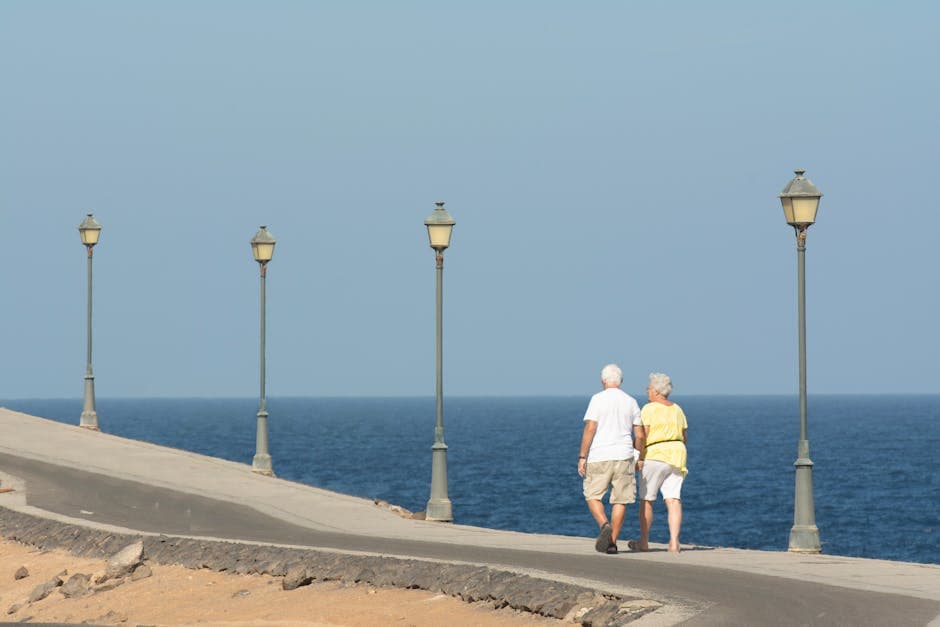
From the town centre, the quickest route to a quieter patch of sand is not the main promenade approach but Exeter Road, leading down through the chines. The chines (wooded ravines cutting down the clifftop to the beach) are genuinely beautiful, much cooler than the open seafront on hot days, and largely unknown to first-time visitors.
What does a perfect 3-day Bournemouth itinerary look like?
This is the itinerary we would suggest for a first-time visitor with three full days.
Day 1: Town centre, pier, and gardens
Start with a walk through the Lower Gardens from the Square down to the seafront. The gardens are at their best in the morning before the day gets busy, and the approach to the pier through the Pine Walk section is one of the nicest short walks in town. The pier itself is free to walk on; the Rock Reef activities at the pier entrance are optional extras.
Spend the middle of the day on the beach west of the pier, which tends to have slightly more space than the east side. If the weather is warm, the beach cafes and ice cream vans offer everything you need. For a proper lunch, head back up through the gardens to The Square where there are several reliable independent cafes.
In the afternoon, walk or take the bus along the promenade towards Boscombe (about a 20-minute walk) to see a different side of the town. Evening: Westbourne for dinner. The residential village neighbourhood of Westbourne, about a mile west of the main centre, has a cluster of independent restaurants on Westbourne Grove that consistently outperform the town centre options. Book ahead.
Day 2: Southbourne, Hengistbury Head, and Mudeford Sandbank
Take the Yellow Buses number 1 or 1a from the town centre to Southbourne (around 20 minutes). Walk Southbourne Grove for coffee and breakfast at one of the independent cafes. Then follow Southbourne Overcliff Drive east until it becomes the cliff path towards Hengistbury Head.
The Hengistbury Head walk is the best free activity in the Bournemouth area. The Head itself is a Site of Special Scientific Interest (SSSI), the highest coastal point between Bournemouth and the Isle of Wight, and on a clear day the views extend to the Needles and Purbeck Hills. The walk from the car park at Double Dykes to the southern tip and back takes about 1.5–2 hours. The land train runs a shorter route if you have young children or need a gentler option.
From the Head, continue to the Mudeford Sandbank, a narrow spit of sand that feels remarkably remote given it is 30 minutes from Bournemouth. The beach huts here are famous for their prices (some have sold for over £300,000, making them among the most expensive in the UK). Take the small foot ferry back to Mudeford Quay and catch the bus back to Christchurch and then onwards. Allow a full day for this itinerary.
Day 3: New Forest or Jurassic Coast day trip
Use day 3 for a day trip. The New Forest is 25 minutes by car and suitable for all weathers. The ancient woodland is beautiful in rain as well as sunshine. The Jurassic Coast at Lulworth Cove is 45 minutes and best in dry weather with good boots. Both options are covered in detail in our day trips from Bournemouth guide.
When is the best time to visit Bournemouth?
The answer depends on what you are optimising for.
Peak season: late July to late August
This is when Bournemouth is at its most alive. Every beach facility is open, restaurants have summer menus, events are running, and the days are long. It is also when it is most expensive, most crowded, and when parking, restaurant tables, and accommodation are hardest to secure. School holiday families have little choice about timing, but if you have flexibility, the full peak weeks are genuinely challenging.
The Bournemouth Air Festival, typically held over four days in late August, is the apex of the peak season. It attracts over one million spectators and generates an atmosphere unlike any other point in the year. Accommodation sells out months in advance; if you want to attend, book as soon as dates are announced.
Shoulder season: May to mid-July and September
This is our honest recommendation for the best combination of weather, value, and experience. Late May and June offer weather that is statistically close to peak summer, significantly fewer crowds, better restaurant availability, and prices that are 30–40% lower than August. September is quieter but still warm, the sea temperature is actually at its peak (the water takes time to warm up), and the town feels more relaxed.
Off-peak: October to April
Bournemouth in winter is genuinely underrated. The beaches are empty and dramatic in stormy weather, the restaurants are calmer and often running special menus, and accommodation costs a fraction of summer prices. The Christmas market in the Lower Gardens (typically late November to early January) and the ice rink on the seafront make December a reasonable time to visit. Winter temperatures on the south coast are mild by UK standards, averaging 6–8 degrees Celsius, noticeably warmer than inland England due to the maritime influence.
How many days do you need in Bournemouth?
Two to three days is enough to cover the main town, the best beaches, and the Lower Gardens properly. Five to seven days is ideal if you plan to include day trips to the New Forest, Jurassic Coast, and Purbeck. You will not run out of things to do.
A week or more makes sense if you want to explore Dorset and Hampshire more thoroughly: the county has enough walks, coastal villages, historic sites, and good food to fill a fortnight without repetition. Bournemouth as a base for a longer Dorset holiday works very well precisely because it offers beach, restaurants, and nightlife on evenings when you want to stay local, and easy road access to the surrounding region for days when you want to explore.
For help choosing where to stay within Bournemouth, read our guide to choosing where to stay in Bournemouth. The four distinct neighbourhoods really do suit different types of visitor, and picking the right one makes a noticeable difference to your experience.
Once you know where you want to be, our guide to getting to Bournemouth covers every transport option in detail.
Ready to Plan Your First Bournemouth Visit?
Browse our Bournemouth apartments and find the right base for your trip, whether you want to walk to the pier, explore Southbourne, or have a car for day trips.
Browse Properties